 602-743-5100
 Jennifer@Srock.net


Here’s a core guide to each phase of the home buying process.
- Phase 1: Deciding If It’s The Right Time For You To Buy
- Phase 2: The Pre-Qualification Process
- Phase 3: House Hunting
- Phase 4: Negotiations
- Phase 5: Escrow, Inspections, & Underwriting
Phase Three: House Hunting
House Hunting
It’s important to understand that most of what you see on the internet is not the direct source of the actual listing. These third parties brokers do pull their information directly from the Multiple Listing Service at some point but they don’t update as often or display as much information as you will receive directly from the source which is monitored and updated daily.
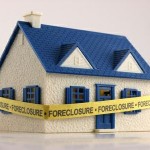 A foreclosure, also known as an REO or Real Estate Owned by a lender, has been acquired by a lending institution through the foreclosure process. The buyer will present their offer to the seller who is whichever lending institution owns the property.
 When purchasing a home, you will need to acquire homeowners insurance. In fact, all lenders will require a policy be in place prior to funding the loan. Make sure you have enough coverage. Policies refer to “replacement costs” that may not cover everything.
 Any changes with your money, credit, or employment while you’re in the process of purchasing your home can affect the end result. Limit activity with your checking, savings, investments, and other financial accounts to just normal routine activity. Avoid surprises. Tell your lender if non-routine financial activity is unavoidable so they can assess the situation immediately. Hopefully, it’s not a Homer Simpson moment that can’t be fixed. Your lender can only help if you are open and honest with them.
  The Federal Housing Administration, FHA, requires homes to be livable upon purchase. Strict inspection requirements are given to FHA approved appraisers to not only come up with a market value but to identify any potential heath or safety hazards.